HVAC Repair for Performing Arts Venues

Performing arts spaces need steady temperatures and airflow so audiences stay comfortable and the gear onstage keeps working right. When air moves unevenly or humidity drifts, shows get thrown off and equipment like lights or sound boards can suffer. HVAC work here means fixing those balances without adding extra noise that would bleed into the room.

Sometimes a system overheats right in the middle of a packed evening, and the crew has to fix it while people are already sitting there. The repair has to stay quiet enough that the audience never catches on, or the whole evening risks turning into a distraction that lingers past the final curtain.

What the Space Really Needs

Temperatures have to hold steady from the seats all the way to the wings. Crowds plus bright stage lights push heat up fast during shows. Techs start by tracing how air moves through the ducts to find any spots where flow gets blocked or uneven. They check moisture levels next, because too much can leave water on surfaces and too little dries out wood in instruments or scenery. Those swings often show up as warping or cracks weeks later, and tracing the cause becomes tough. Wood that starts to split can force last-minute swaps on pieces built for the full run, which eats into rehearsal time the performers count on.

Key diagnostic steps include:
– Checking sensor calibration for accurate zone control
– Inspecting filter banks for buildup that reduces efficiency
– Testing damper operation to ensure proper air distribution

Small errors in one area can spread fast and leave a whole section of seats uncomfortable, or push the lighting team to back off power they need.

Typical Repair Situations

Constant use during rehearsals and performances wears parts down. One common problem shows up when variable-speed fans stop adjusting smoothly and cooling turns patchy. Crews trace the controls and swap out the worn pieces, often working overnight so morning rehearsals stay on schedule.

single outdoor air conditioner condenser beside

Compressor trouble in rooftop units that cool big halls is another regular fix. Low refrigerant or electrical glitches can shut things down when the building is fullest. Restoring the charge takes care, and the vibration mounts must stay solid or noise travels where it shouldn’t.

Virginia Carolina HVAC brings specialized experience to these venue-specific challenges, helping facilities restore full system performance quickly.

Noise and Scheduling Pressures

Once the room goes dark, quiet running matters a lot. A faint motor hum can carry straight to the sound board. Techs check new parts for noise before they go in and sometimes add extra pads that were not on the original setup.

Preventive Measures

Routine checks cut down on last-minute fixes. Changing filters on schedule keeps coils cleaner, and cleaning the coils themselves helps heat move properly. Updating controls keeps zones matched to how full the house gets. They usually run those filter checks every quarter during slower weeks and glance at sensor logs once a month for early drift. Drains get cleared too, since a missed one can leave water that grows mold and blows through the ducts later. A missed drain can push musty air into the seats right as doors open, which throws off the first impression before anyone even settles in.
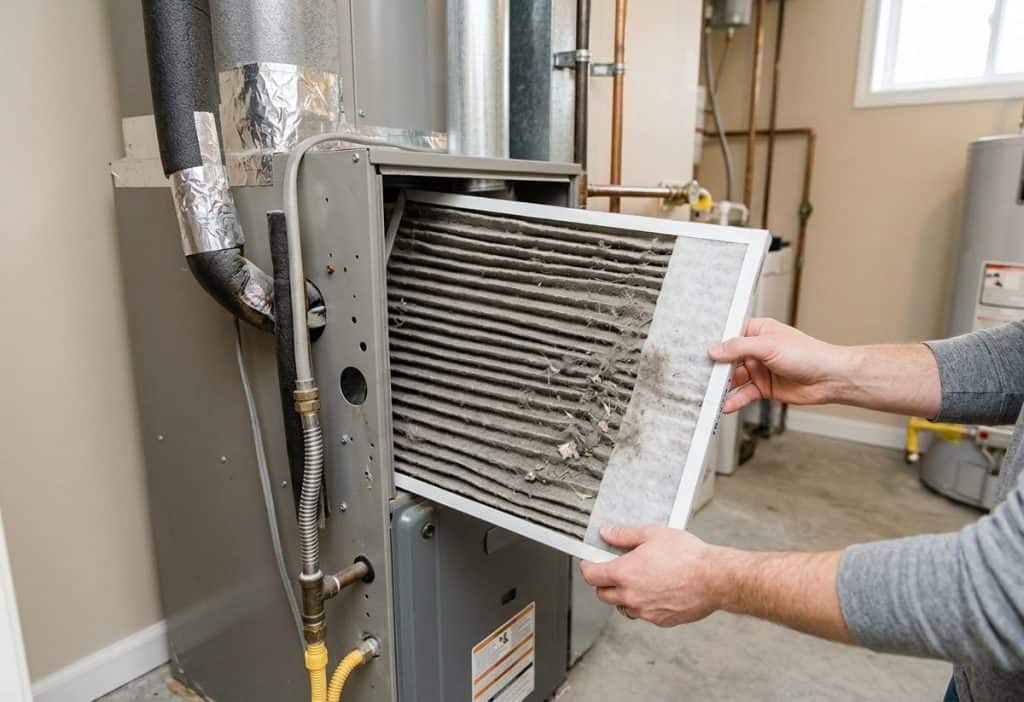
used pleated furnace air filter white

These steps, recommended by Air Conditioning Contractors of America, help maintain reliable operation throughout the performance calendar. Over time the same routines also protect the capital investment in the equipment itself, since fewer sudden failures mean fewer rushed replacements.
Understanding Key Movements in Art History

Art history unfolds across long stretches of time in ways that reflect changes in how people saw the world around them. Early works often served practical or ritual purposes, while later ones explored personal expression or social questions. The sequence runs from simple marks on cave walls through structured ancient styles, religious medieval pieces, and onward into experiments with light, form, and color that still shape what artists try today.

Starting Points in Ancient and Medieval Work

Prehistoric images show animals and hunters with basic outlines and shading made from natural pigments. These give a sense of movement even without much detail. Ancient Egyptian art stuck to flat profiles and repeated patterns for tombs and temples, where size showed importance rather than real space. Greek and Roman pieces introduced more natural body positions and attempts at depth through overlapping figures.

Medieval art in Europe turned toward religious stories on church walls and in books. Gold backgrounds and stiff poses kept attention on holy figures rather than everyday scenes. Techniques stayed limited to tempera on wood or stone carving because materials and training passed down in workshops. Themes centered on salvation and moral lessons, with little room for personal views from the maker.

These early approaches set rules that later artists either followed or broke. Simple line work from caves appears again in later sketches, while the fixed Egyptian view influenced some decorative patterns centuries afterward.

Changes During the Renaissance

Artists began to study anatomy and measure distances to create believable space on flat surfaces. Linear perspective let lines meet at a vanishing point, much like railroad tracks seem to join in the distance. Oil paints allowed smoother blending and richer colors than earlier egg-based mixtures. Themes expanded to include portraits of merchants and scenes from daily life alongside the usual biblical subjects.

Sculpture took on weight and balance that matched real bodies in motion. Buildings in paintings looked solid because shadows and angles followed observed light. This period pulled ideas from old Roman ruins while adding new interest in human feelings and actions. The results traveled through prints and copied drawings, reaching workshops in other regions.

Drama in Baroque and Following Styles

Baroque work used strong contrasts of light and dark to pull the eye across large canvases or building fronts. Figures twist and reach outward, giving a sense of motion caught mid-action. Churches and palaces adopted curved walls and heavy decoration to impress visitors. Later Rococo pieces lightened the mood with pastel tones and playful garden scenes.

Neoclassical painters returned to straight lines and calm poses drawn from Greek models, often for public buildings or history lessons. Romantic responses favored stormy skies and wild landscapes to suggest strong emotions. These shifts happened because patrons and cities wanted art that matched new political or personal values.

Experiments in the 1800s and Beyond

Realist painters chose ordinary workers and city streets instead of grand myths. Brushstrokes became visible in impressionist scenes of sunlight on water or fields, capturing a moment rather than a finished story. Later groups flattened space again or broke objects into geometric planes to question how vision works.

Abstract pieces dropped recognizable subjects altogether and focused on color fields or simple shapes. Public murals and posters carried these ideas into everyday settings like train stations. Influences show up in later design for books, films, and product packaging where clean lines or bold colors draw attention quickly.

Effects That Last and Practical Ways to Look

Many current images still borrow perspective tricks or dramatic lighting from earlier centuries. Students often start by comparing how one era handles space against another. This reveals patterns without needing rare books at first.

A few straightforward steps help when viewing pieces in person or in reproductions:

– Note the main lines and where they lead
– Check how light falls on forms
– Compare size of figures to background elements
– Watch for repeated colors across different works

Reading period accounts of daily tools and city life adds context that pure style descriptions miss. Sketching copies by hand forces attention to proportions and choices that photographs skip over. Over time these habits make connections between distant movements clearer.

Gutter Repair in Orlando: Construction and Maintenance Essentials

Homeowners often assume that once gutters are installed they require little attention beyond occasional cleaning. Yet this view overlooks how construction details and ongoing maintenance directly influence long-term performance and prevent structural damage.

historical gutter installation

Common Misconceptions About Gutter Construction

One widespread belief holds that all gutter systems function identically regardless of material or slope design. In reality, aluminum, copper, and galvanized steel each respond differently to Florida’s intense sunlight and frequent thunderstorms. Proper construction begins with calculating roof pitch and rainfall volume so that seams and downspouts handle peak flow without overflow. Another misunderstanding suggests that seamless gutters eliminate every leak risk. While seams are reduced, joints at corners and outlets still demand precise soldering or mechanical fastening during installation. Skipping these steps creates hidden weak points that only appear after heavy rain.

Picking the Right Materials Makes a Real Difference

Many property owners choose the cheapest option at the hardware store without considering thermal expansion. In Orlando’s climate, daily temperature swings cause metal to contract and expand repeatedly. Undersized fasteners or missing expansion joints lead to buckling and eventual separation from the fascia. Professional installers account for these factors by using compatible hangers spaced at correct intervals and by selecting gauges thick enough to resist denting from falling branches.

Maintenance Myths That Lead to Expensive Repairs

A frequent claim is that gutters only need attention twice a year. Leaves from oak and palm trees, combined with wind-driven pollen, create clogs far more often. Neglected debris traps moisture against the metal, accelerating corrosion from the inside out. Another error is the idea that gutter guards remove all future maintenance. Quality guards reduce volume but still allow fine particles through, and they themselves can become clogged if not inspected.

Flushing and Checking After Storms

Effective care includes flushing downspouts with water after major storms and checking for sagging sections that indicate loose fasteners. A quick walk around the house after a downpour often shows exactly where the trouble starts.

Construction Details That Prevent Water Damage

Correct installation extends beyond the gutter itself. Flashing must integrate with roofing underlayment so water cannot migrate behind the fascia. Downspout extensions should direct flow at least six feet from the foundation to avoid undermining soil stability. In areas with clay-heavy soil common around Orlando, this step is especially critical because poor drainage causes settling that cracks slabs and walls. Builders who rush the job often omit these extensions, creating problems that surface years later.

Recognizing When Repair Is Insufficient

Homeowners sometimes attempt to patch small holes with sealant alone. While temporary fixes work for minor issues, widespread rust or multiple separations usually signal that the original construction used inadequate materials or improper pitch. At that stage, full replacement with properly engineered sections restores function more reliably than repeated repairs. Professionals evaluate slope with laser levels and replace entire runs rather than mixing old and new segments that expand at different rates.

Seasonal Considerations Specific to Central Florida

Hurricane season brings both high winds and torrential rain. Gutters must be secured with additional brackets in exposed locations to withstand gusts. After each named storm, a visual check for displaced sections prevents water from entering attics during subsequent showers.

Dry Season Wear and Tear

Dry season brings its own challenges: intense UV exposure degrades sealant around joints, so annual reapplication of UV-resistant caulk extends service life.

For professional installation and repair that addresses these construction realities, many residents rely on Orlando Gutter Crew. Their crews evaluate existing systems for hidden deficiencies before recommending targeted fixes or complete upgrades that meet local wind-load requirements.

renaissance gutter architecture

Practical Steps Homeowners Can Take Today

Begin by inspecting gutters from the ground with binoculars to spot obvious sags or debris piles. Next, test downspout flow with a garden hose while watching for backups. Document any areas where water spills over the edge during normal rainfall so you know which spots need work first. These observations help prioritize which sections need immediate attention versus those that can wait for scheduled maintenance.

Long-Term Benefits of Proper Care

Systems built and maintained correctly divert thousands of gallons of water away from the foundation each year. This reduces soil erosion and protects siding from splash-back staining. Over a decade, the cumulative savings from avoided foundation repairs far exceed the modest cost of routine professional service. A solid setup means fewer surprises when the next big storm rolls through.