Homeowners often assume that once gutters are installed they require little attention beyond occasional cleaning. Yet this view overlooks how construction details and ongoing maintenance directly influence long-term performance and prevent structural damage.
Common Misconceptions About Gutter Construction
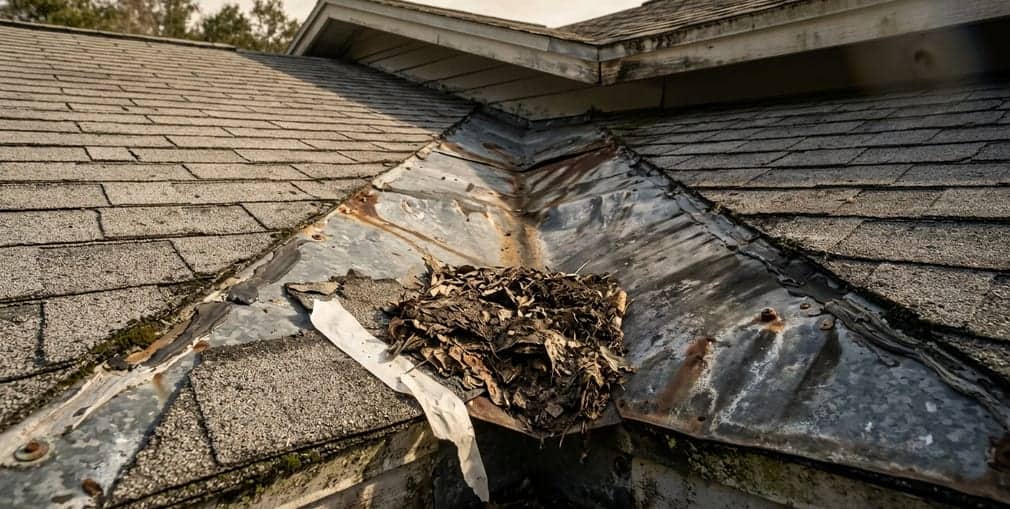
One widespread belief holds that all gutter systems function identically regardless of material or slope design. In reality, aluminum, copper, and galvanized steel each respond differently to Florida’s intense sunlight and frequent thunderstorms. Proper construction begins with calculating roof pitch and rainfall volume so that seams and downspouts handle peak flow without overflow. Another misunderstanding suggests that seamless gutters eliminate every leak risk. While seams are reduced, joints at corners and outlets still demand precise soldering or mechanical fastening during installation. Skipping these steps creates hidden weak points that only appear after heavy rain.
Picking the Right Materials Makes a Real Difference
Many property owners choose the cheapest option at the hardware store without considering thermal expansion. In Orlando’s climate, daily temperature swings cause metal to contract and expand repeatedly. Undersized fasteners or missing expansion joints lead to buckling and eventual separation from the fascia. Professional installers account for these factors by using compatible hangers spaced at correct intervals and by selecting gauges thick enough to resist denting from falling branches.
Maintenance Myths That Lead to Expensive Repairs
A frequent claim is that gutters only need attention twice a year. Leaves from oak and palm trees, combined with wind-driven pollen, create clogs far more often. Neglected debris traps moisture against the metal, accelerating corrosion from the inside out. Another error is the idea that gutter guards remove all future maintenance. Quality guards reduce volume but still allow fine particles through, and they themselves can become clogged if not inspected.
Flushing and Checking After Storms
Effective care includes flushing downspouts with water after major storms and checking for sagging sections that indicate loose fasteners. A quick walk around the house after a downpour often shows exactly where the trouble starts.
Construction Details That Prevent Water Damage
Correct installation extends beyond the gutter itself. Flashing must integrate with roofing underlayment so water cannot migrate behind the fascia. Downspout extensions should direct flow at least six feet from the foundation to avoid undermining soil stability. In areas with clay-heavy soil common around Orlando, this step is especially critical because poor drainage causes settling that cracks slabs and walls. Builders who rush the job often omit these extensions, creating problems that surface years later.
Recognizing When Repair Is Insufficient
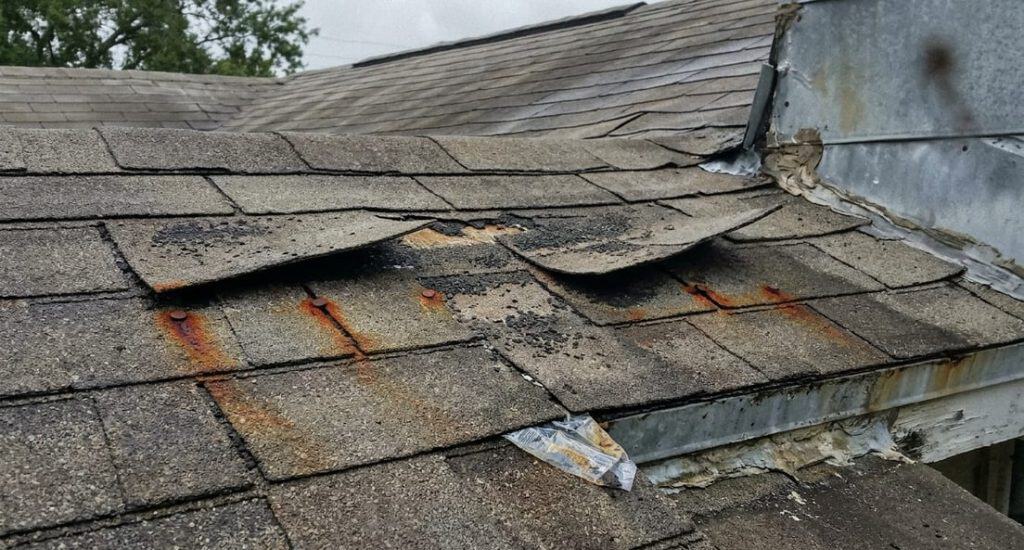
Homeowners sometimes attempt to patch small holes with sealant alone. While temporary fixes work for minor issues, widespread rust or multiple separations usually signal that the original construction used inadequate materials or improper pitch. At that stage, full replacement with properly engineered sections restores function more reliably than repeated repairs. Professionals evaluate slope with laser levels and replace entire runs rather than mixing old and new segments that expand at different rates.
Seasonal Considerations Specific to Central Florida
Hurricane season brings both high winds and torrential rain. Gutters must be secured with additional brackets in exposed locations to withstand gusts. After each named storm, a visual check for displaced sections prevents water from entering attics during subsequent showers.
Dry Season Wear and Tear
Dry season brings its own challenges: intense UV exposure degrades sealant around joints, so annual reapplication of UV-resistant caulk extends service life.
For professional installation and repair that addresses these construction realities, many residents rely on Orlando Gutter Crew. Their crews evaluate existing systems for hidden deficiencies before recommending targeted fixes or complete upgrades that meet local wind-load requirements.
Practical Steps Homeowners Can Take Today
Begin by inspecting gutters from the ground with binoculars to spot obvious sags or debris piles. Next, test downspout flow with a garden hose while watching for backups. Document any areas where water spills over the edge during normal rainfall so you know which spots need work first. These observations help prioritize which sections need immediate attention versus those that can wait for scheduled maintenance.
Long-Term Benefits of Proper Care
Systems built and maintained correctly divert thousands of gallons of water away from the foundation each year. This reduces soil erosion and protects siding from splash-back staining. Over a decade, the cumulative savings from avoided foundation repairs far exceed the modest cost of routine professional service. A solid setup means fewer surprises when the next big storm rolls through.