Many homeowners look for ways to keep pests out of their gardens and living spaces without leaning so hard on chemical sprays. Those chemicals can hurt soil over time and mess with nearby ecosystems. Sustainable methods lean on prevention first, then monitoring, and only targeted fixes when needed. That keeps outdoor spaces balanced while you garden or handle repairs around the house.
Sustainable pest management starts with knowing how common insects and rodents behave CDC in yards and homes. Spotting entry points, food, and breeding spots early cuts down on infestations without blanket sprays. This keeps vegetable beds and flower borders growing strong and leaves beneficial bugs and soil life alone.
When the same problems keep showing up even after you stay on top of prevention, talking to pros like Spartan Pest Solutions often gives you practical options that match how you want to care for the place long term.
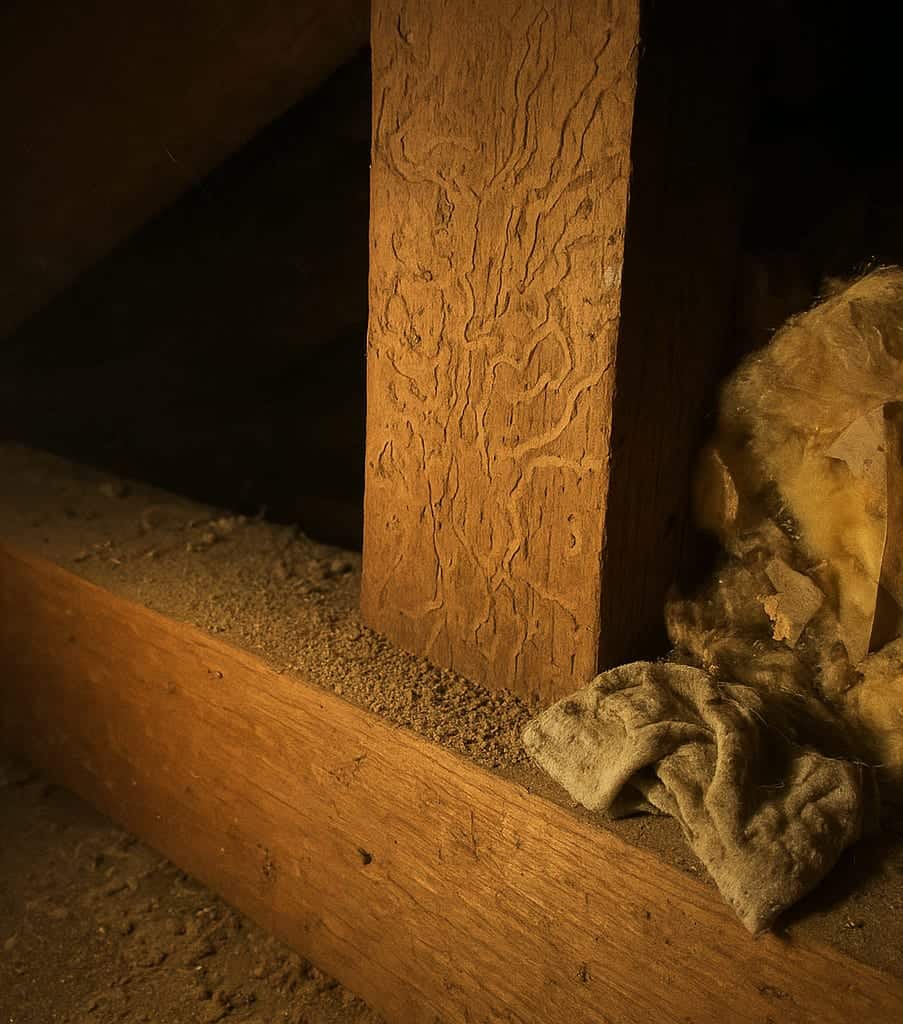
Main Ideas Behind Integrated Approaches
Good strategies follow a clear order. Start with cultural steps, then add mechanical or biological controls only if you have to. Pick plants that fit your local weather and rotate crops each year to break pest cycles. These basics already lower the chance of big outbreaks while you work on garden projects.
Mechanical steps use simple barriers like row covers or window screens. Seal gaps in foundations when you’re doing home upgrades. These blocks stop pests from getting in without adding anything to the soil or air. Check the barriers now and then so they keep working through the season.
Biological controls bring in natural helpers. Lady beetles eat aphids, and bird feeders can pull in songbirds that snack on other insects. These fit right in with regular gardening since they boost the mix of life instead of cutting it back.
Application in Garden Settings
Vegetable gardens do well with companion planting. Marigolds next to tomatoes push back nematodes and some flying bugs. Herbs like basil help hide crops that normally draw pests.
Soil health matters a lot for keeping plants tough. Compost and steady moisture build stronger roots and leaves. They bounce back faster from light damage and need less fixing later.
Monitoring with sticky traps or pheromone lures catches issues early. Set them at regular spots to see what’s moving around without reaching for sprays. Notes from one year to the next help you tweak planting times and layouts.
Considerations During Home Projects
Building or fixing things stirs up dust and opens new spaces, which can pull in pests looking for shelter. Store lumber off the ground and cover it overnight during deck or shed work. Clear scraps at the end of each day so nothing piles up for nesting.
Sealing up exterior holes matters most when walls or roofs sit open. Weather-resistant caulk and mesh around pipes and wires keep the structure sound and block entry. These tasks slip into the normal flow of a project.
Seasonal Checks
A quick walk around the yard after big storms often shows where water pooled and where pests might follow.
Landscaping tweaks around the house shift pest patterns too. Slope soil away from the foundation and cut back plants that touch the siding. That discourages moisture-loving insects without extra treatments.
Routine observation stays key. Weekly looks at garden beds and building edges catch small shifts before they grow. Note how weather changes, like heavy rain pushing bugs indoors, so you can adjust ahead of time.
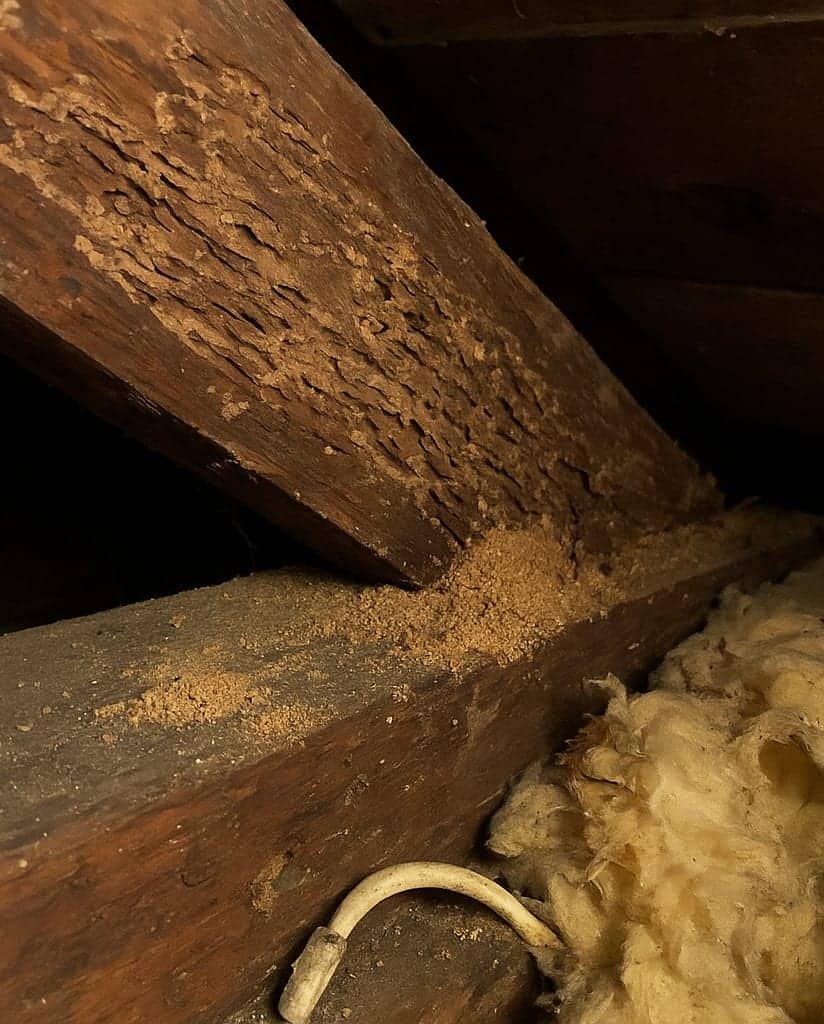
Simple logs of what worked each season help you repeat wins without guessing. Jot down plant types, pests seen, and steps taken. It saves time on future jobs, big or small.