Performing arts spaces need steady temperatures and airflow so audiences stay comfortable and the gear onstage keeps working right. When air moves unevenly or humidity drifts, shows get thrown off and equipment like lights or sound boards can suffer. HVAC work here means fixing those balances without adding extra noise that would bleed into the room.
Sometimes a system overheats right in the middle of a packed evening, and the crew has to fix it while people are already sitting there. The repair has to stay quiet enough that the audience never catches on, or the whole evening risks turning into a distraction that lingers past the final curtain.
What the Space Really Needs
Temperatures have to hold steady from the seats all the way to the wings. Crowds plus bright stage lights push heat up fast during shows. Techs start by tracing how air moves through the ducts to find any spots where flow gets blocked or uneven. They check moisture levels next, because too much can leave water on surfaces and too little dries out wood in instruments or scenery. Those swings often show up as warping or cracks weeks later, and tracing the cause becomes tough. Wood that starts to split can force last-minute swaps on pieces built for the full run, which eats into rehearsal time the performers count on.
Key diagnostic steps include:
– Checking sensor calibration for accurate zone control
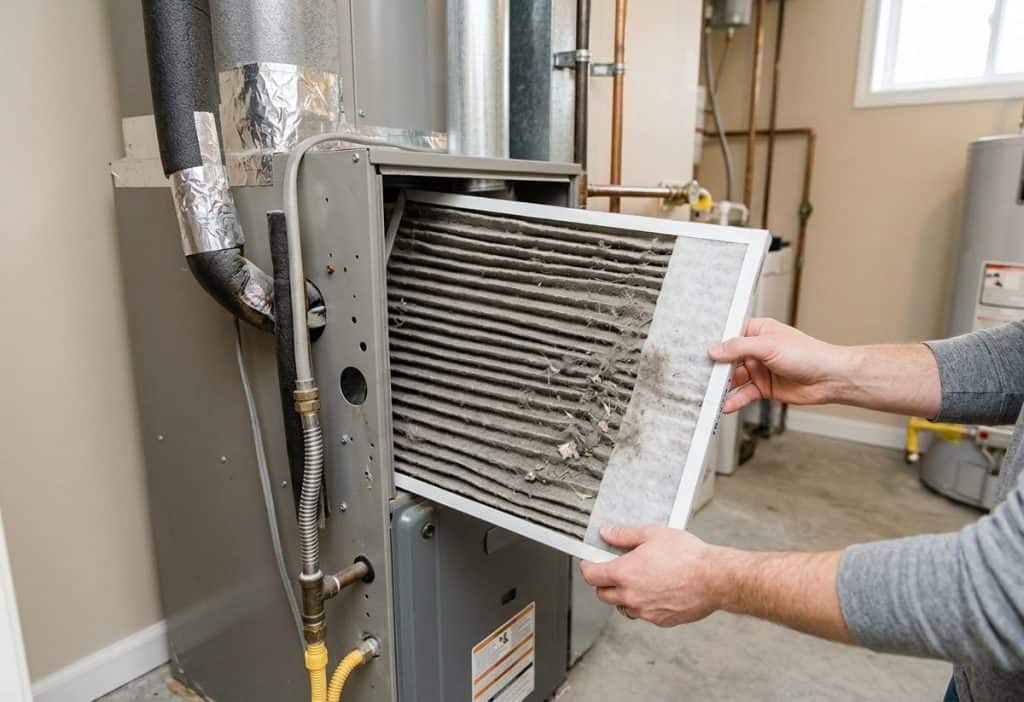
– Inspecting filter banks for buildup that reduces efficiency
– Testing damper operation to ensure proper air distribution
Small errors in one area can spread fast and leave a whole section of seats uncomfortable, or push the lighting team to back off power they need.
Typical Repair Situations
Constant use during rehearsals and performances wears parts down. One common problem shows up when variable-speed fans stop adjusting smoothly and cooling turns patchy. Crews trace the controls and swap out the worn pieces, often working overnight so morning rehearsals stay on schedule.

Compressor trouble in rooftop units that cool big halls is another regular fix. Low refrigerant or electrical glitches can shut things down when the building is fullest. Restoring the charge takes care, and the vibration mounts must stay solid or noise travels where it shouldn’t.
Virginia Carolina HVAC brings specialized experience to these venue-specific challenges, helping facilities restore full system performance quickly.
Noise and Scheduling Pressures
Once the room goes dark, quiet running matters a lot. A faint motor hum can carry straight to the sound board. Techs check new parts for noise before they go in and sometimes add extra pads that were not on the original setup.
Preventive Measures
Routine checks cut down on last-minute fixes. Changing filters on schedule keeps coils cleaner, and cleaning the coils themselves helps heat move properly. Updating controls keeps zones matched to how full the house gets. They usually run those filter checks every quarter during slower weeks and glance at sensor logs once a month for early drift. Drains get cleared too, since a missed one can leave water that grows mold and blows through the ducts later. A missed drain can push musty air into the seats right as doors open, which throws off the first impression before anyone even settles in.
These steps, recommended by Air Conditioning Contractors of America, help maintain reliable operation throughout the performance calendar. Over time the same routines also protect the capital investment in the equipment itself, since fewer sudden failures mean fewer rushed replacements.